

What's the difference between single-origin cacao and commercial chocolate? Find out here
Welcome!
In a world where chocolate has become ubiquitous, few people stop to reflect on the origin of what they consume.
Have you ever wondered what the real difference is between single-origin cocoa and the commercial chocolate you find in any supermarket?
The answer goes far beyond price.
It is a story of tradition versus industrialization, of quality versus quantity, of respect for the territory versus global homogenization.
The heart of the matter: grain selection
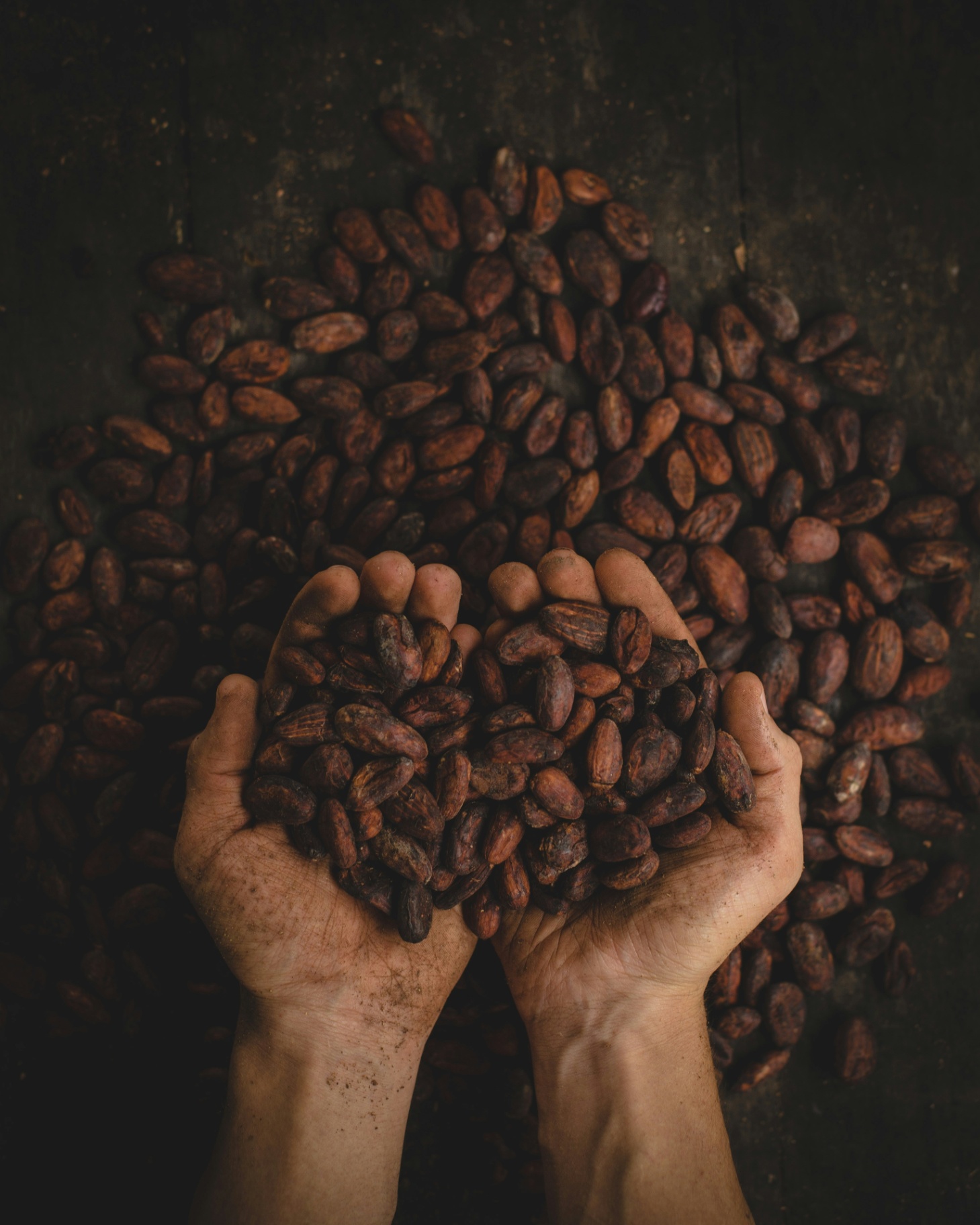
When we talk about single-origin cocoa , we are referring to carefully selected beans that come from specific regions, where each territory contributes unique characteristics to the final product.
In single-origin cocoa, sensory analysis is the most important control tool . It's not just about evaluating the flavor of the fresh bean, but also about meticulously analyzing the resulting cocoa liquor. The varieties prized in fine chocolate have undergone lengthy genetic improvement processes focused on flavor and aroma.
Commercial chocolate, on the other hand, uses ordinary cocoa selected primarily for its yield and durability , relegating flavor to a secondary role. It is common to blend cocoa from different origins without attempting to preserve the individual nuances of each region.

The additives trap
This is where the differences become most evident to the consumer.
Commercial chocolate typically contains:
- More refined sugar to compensate for the lower quality of the cocoa
- Artificial flavorings that mask defects
- Preservatives to extend shelf life
- Additives such as soy lecithin to improve texture
Furthermore, it is frequently produced with low-quality cocoa: under-fermented beans, over-fermented beans, and even moldy cocoa.
Single-origin chocolate, on the other hand, focuses on the purity of the bean and uses only natural cocoa butter . Artisanal producers avoid artificial additives, preferring to let the natural flavors of the cocoa speak for themselves.
The process that makes the difference
Commercial chocolate production focuses on achieving high volumes with consistent flavor at low cost . Less emphasis is placed on preserving the sensory qualities of the bean, simplifying processes to maximize efficiency.
Single-origin cacao prioritizes more careful and less industrialized processes to preserve the original purity of the bean. Each stage, from fermentation to roasting, is carried out with the aim of highlighting the unique characteristics of each region .

A completely different sensory journey
The flavor profile is where these differences come to life.
Single-origin cacao is characterized by authentic and complex flavors. For example, cacao from Tumaco stands out for its powerful cacao flavor with distinct nutty notes , while other regions contribute floral, fruity, or spicy nuances.
Commercial chocolate, by compensating for the lower quality of the cocoa with refined sugars, results in a flatter and excessively sweet profile . The natural flavors of the cocoa are masked by the additives.
Single-origin chocolate is generally less sweet because the goal is to highlight the natural flavors of the cocoa , not to hide them.
The impact beyond the taste
When you choose single-origin cocoa, you are also choosing more sustainable and ethical practices .
Artisans who work with single-origin cocoa usually prefer beans sourced from:
- Organic agriculture that respects the environment
- Fair trade that ensures fair remuneration for producers
- Sustainable agricultural practices that preserve ecosystems
Furthermore, artisanal production requires less energy, since the small quantities manufactured generate a smaller carbon footprint than mass industrial production.
Why does price reflect quality?
It's natural to wonder why single-origin chocolate costs more.
The answer lies in each stage of the process:
Grain selection : Only the best grains from each harvest are used, discarding those that do not meet quality standards.
Limited production : Small producers work with limited quantities, prioritizing quality over volume.
Artisanal processes : Each batch receives personalized attention, from fermentation to packaging.
Fair value chain : Producers receive a fair price for their work, not the minimum of the global market.
How to identify authentic origin chocolate
Not all chocolates marketed as "single origin" are truly artisanal. Here are some key points:
- Information about the region : The packaging must clearly specify the geographical origin of the cocoa
- Simple ingredient list : Few ingredients, no artificial additives
- Cocoa percentage : Usually higher than 70%
- Producer transparency : Information about farmers or cooperatives
A choice that transcends the palate
Choosing between single-origin cocoa and commercial chocolate is not just a purchasing decision, it's a statement of values .
When you choose single-origin chocolate, you are:
- Supporting small producers and their families
- Preserving unique cocoa varieties
- Promoting sustainable agricultural practices
- Enjoying authentic and complex flavors
Commercial chocolate may satisfy a momentary craving, but single-origin cocoa offers a complete experience : flavor, history, tradition, and social responsibility in every bite.
Your palate deserves the authentic.
At the end of the day, the difference between origin cocoa and commercial chocolate boils down to authenticity versus artificiality , quality versus quantity , tradition versus industrialization .
Your taste buds can tell the difference. So can your conscience.
Because every choice counts, and every bite can be a direct connection to the lands and hands that make this gift of nature possible.
Are you ready to discover the true taste of cocoa?