

From Bean to Cup: The Journey of Specialty Coffee From the Colombian Mountains to Your Home
Welcome!
There is a silent, almost sacred moment when coffee ceases to be a simple food and becomes a bridge .
A bridge between those who cultivate it under the mountain sun and those who enjoy it, cup in hand, thousands of kilometers away.
That bridge—fragile, deep, and full of stories—is the soul of specialty coffee.
At AlmAméricas, this journey begins in Colombia, where each grain is born from a mixture of tradition, agricultural science, community effort and a deep respect for the land.
What exactly is specialty coffee?
The word "specialty" is not a commercial embellishment or a fad.
It is an international standard, defined and evaluated by the Specialty Coffee Association (SCA).
For a coffee to be considered specialty coffee, it must:
• Obtain 80 points or more in a professional cupping test • To be free of primary defects and almost free of secondary defects
• Show full traceability : farm, variety, process, altitude • Distinguished by sensory characteristics : natural sweetness, balanced acidity, complex aroma, clean body, defined notes
A specialty coffee is no coincidence: It is the result of careful control at every stage , from cultivation to roasting.
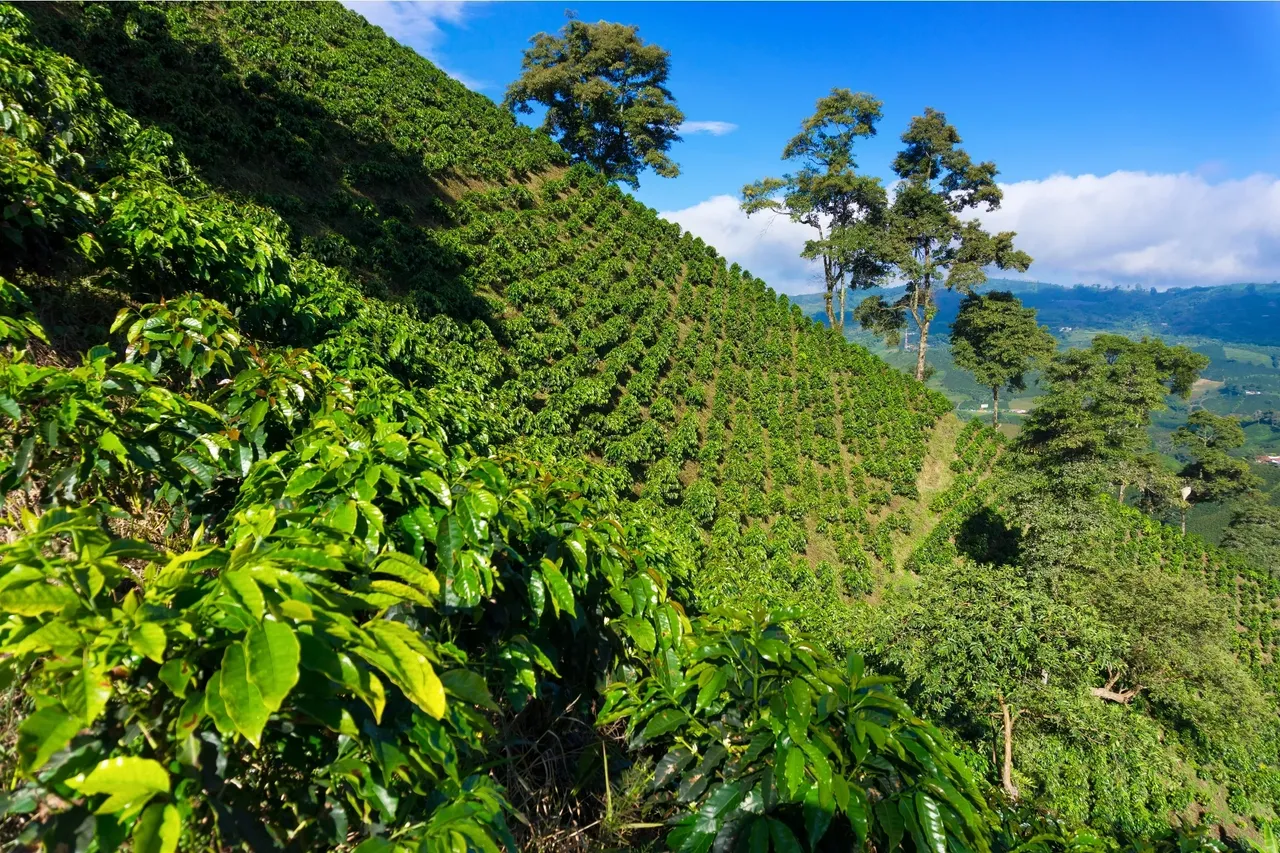
The origin: mountains that tell stories
The journey begins long before the grain exists. It begins in the hands of small coffee farmers who inherit decades—and sometimes centuries—of knowledge.
In Colombia, coffee growers like the producers allied with AlmAméricas cultivate coffee in unique environments :
• Altitudes above 1500 m where ripening is slower • Mineral-rich soils and mild microclimates • Natural shade that protects the crop and promotes biodiversity
• Clean water that feeds mountain farms
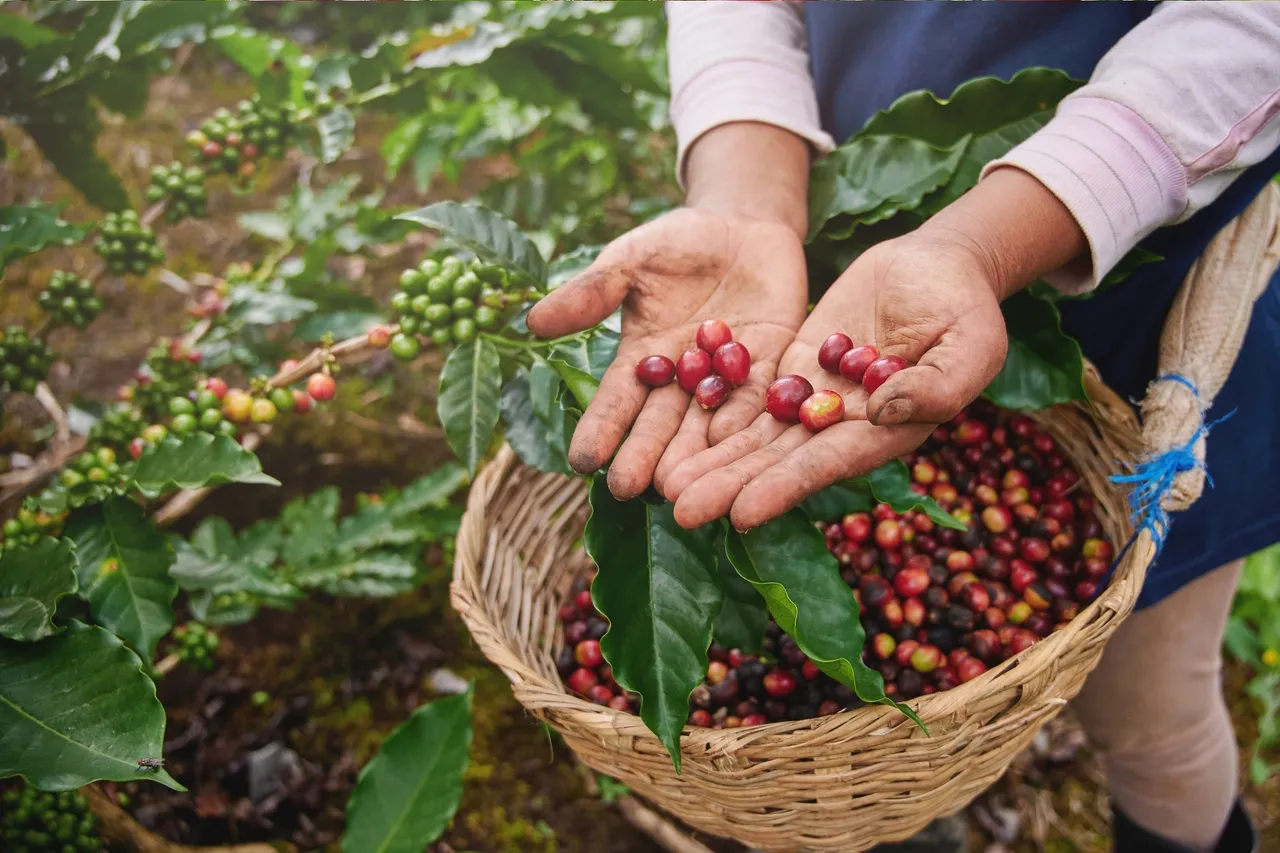
Here, each cherry is like a little red treasure.
Coffee farmers collect them by hand, one by one, in a process called "selective harvesting" .
Not the entire bunch is picked. Green and ripe grapes are not mixed. Only the perfect is chosen.
The benefit of coffee: where science meets tradition
After the harvest comes the profit, the most technical part of the process.
There are three main methods:
• Wash : clean, bright, classic — balanced flavors • Honey : sweet, silky, fruity
• Natural : intense, fruity, complex — dried with the whole fruit
Each producer chooses the method according to the characteristics of the terroir, family tradition, and the desired cup profile.
The benefit can turn a good coffee into an excellent one… or destroy it if fermentation, temperature, humidity and drying times are not controlled.
The producers that AlmAméricas works with master these processes with precision and patience .
Drying and sorting: the slowest part of the journey
After processing, the coffee must be dried.
On many farms, drying is done in: • Solar canopies • Elevated beds
• Traditional courtyards
Here the producer monitors temperature, humidity and constant turning. A careless drying process can ruin weeks of work and lower the SCA score.
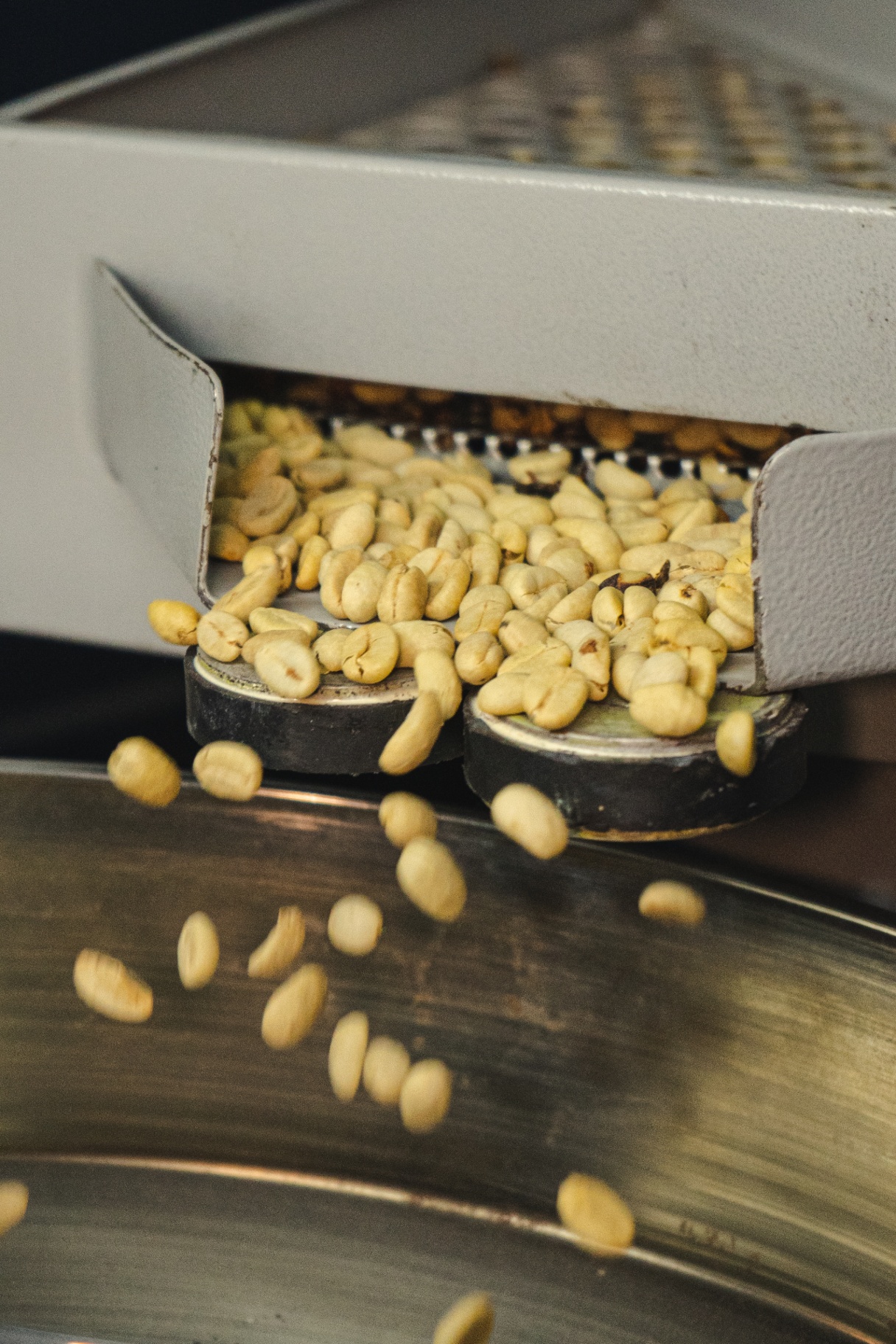
Then comes the selection. Each grain is visually inspected; defective ones are discarded.
It is a manual, repetitive and meticulous task… but indispensable to maintain the level of specialization.
Roasting: when the grain awakens
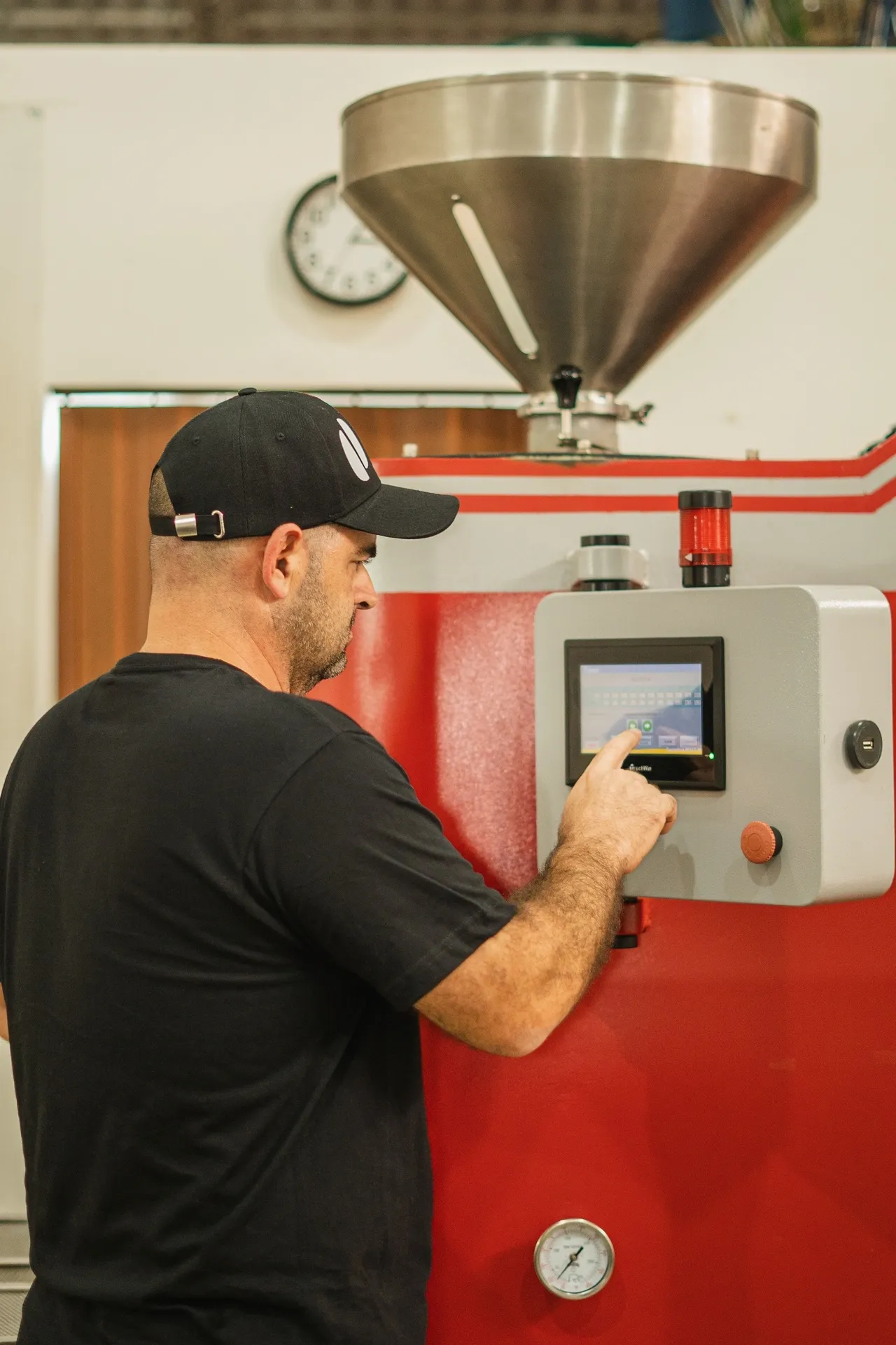
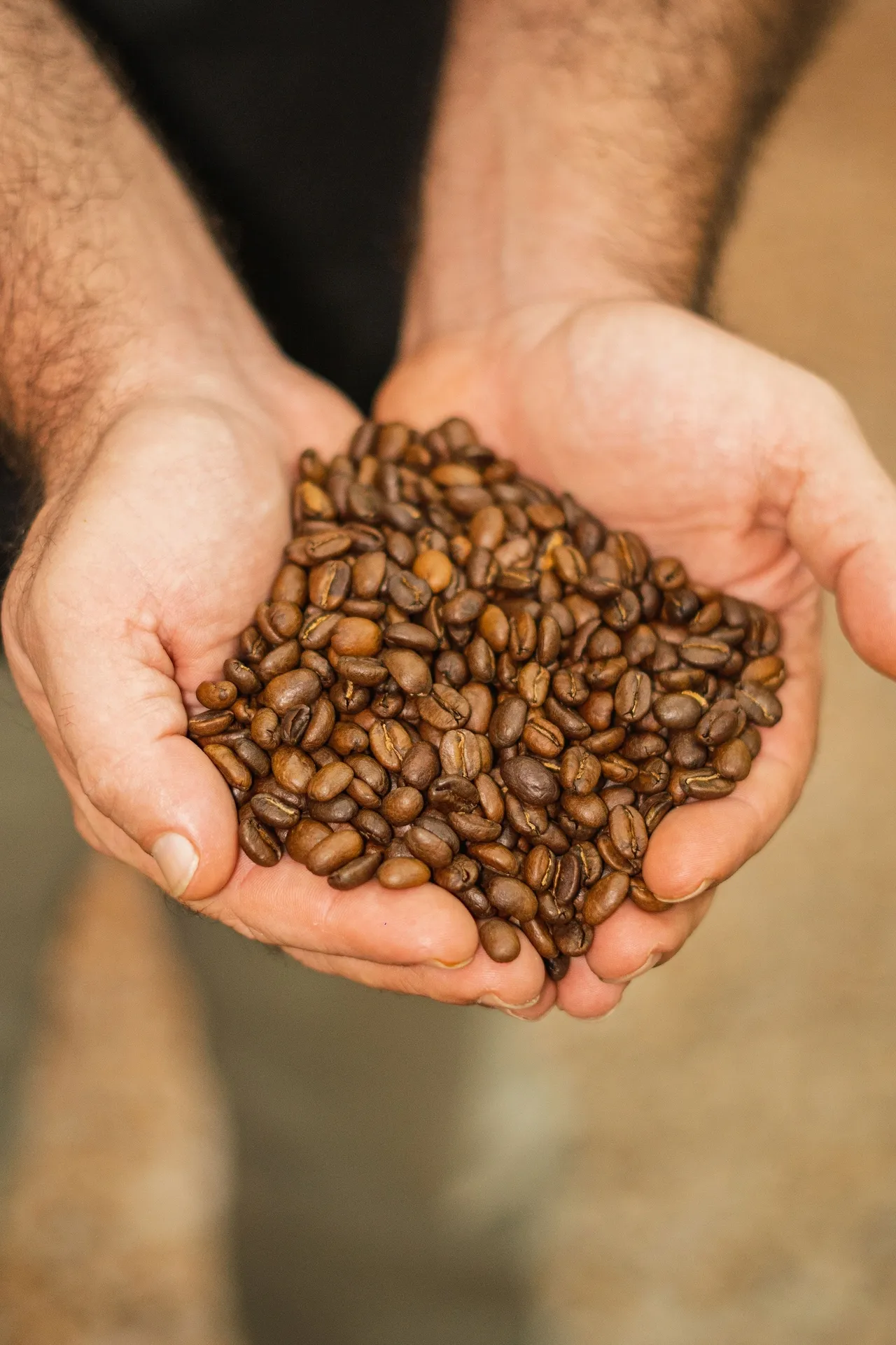
Roasting is both an art and a science. Define the soul of coffee .
The roasters we collaborate with in Colombia and Spain seek to define each batch to reveal its essence:
• Floral • Fruit trees
• Caramelized • Chocolate drinks • Spiced • Citrus fruits
A bad roast can burn the grain or destroy its notes. A good roast, on the other hand, honors the work of the producer .
That's why we only work with roasters who understand the value of origin and traceability.
From the farm to your cup: why does all this matter?
Because when you buy specialty coffee, you're not just paying for flavor: You pay for dignity, for fair work, and for the continuity of rural traditions at risk .
Commercial, industrial, and mass-produced coffee: • It is mixed without traceability • Contains defects • It is produced on a large scale
• Pays unfair prices to the farmer
Specialty coffee: • Respect the land • It supports small producers • Pay higher and more stable prices • Preserves traditional methods • It offers an unparalleled sensory experience
AlmAméricas wants each cup to tell a story, not a transaction .
What notes will you find in these cafes?
Each batch has its own particularities, but in general, Colombian specialty coffees offer:
• Natural sweetness • Citric or fruity acidity
• Floral aromas • Medium or silky body • Flavors of chocolate, panela, yellow fruits, red fruits, almond, spices
A clean and honest cup, which doesn't need sugar to shine .
AlmAméricas: a bridge between worlds
Our mission is simple yet profound: Bringing the soul of the Americas to Europe — sip by sip .
With every coffee we offer, we are: • Supporting rural families and communities • Preserving coffee traditions • Dignifying a job that deserves global recognition • Bringing Colombian culture closer to the European palate
And above all, building a more human chain where the producer is the protagonist, not an invisible link .
Your mug is an act of connection
Every time you prepare a cup of specialty coffee, you are connecting with:
• Hands that picked cherries under the sun • Mountains where every grain was born • Family stories that have stood the test of generations
• A process done carefully, not hastily. • A tradition that deserves to be celebrated
At AlmAméricas, we want to honor that entire journey and share it with you.
Because coffee is not just a drink. It's culture . It's a community .
It is a root . It is soul .
"Coffee is the liquid memory of our people: it brings us together as a community, honors Latin American culture, and reminds us that the earth is celebrated by taking care of it."
Thank you for walking this path with us — sip by sip.
— Bradley
Founder and CEO, AlmAméricas