

5 secrets Colombian coffee producers don't want you to know about fair trade
Welcome!
There are uncomfortable truths hidden behind every cup of coffee.
These are truths that, as conscious consumers, we deserve to know. Because when we buy "fair trade" coffee, we believe we're doing something good for Colombian producers. We believe we're paying a price that allows them to live with dignity.
But the reality is much more complex.
For years, the fair trade label has been sold as the magic solution to coffee's problems, as a guarantee that our money goes directly to the people who cultivate those beans with such love.
However, after talking with dozens of producers in the mountains of Colombia, listening to their stories and understanding their struggles, we have discovered that the fair trade industry holds secrets that few are willing to confess.
It's not that the producers don't want you to know the truth...
The system itself has constructed a narrative that benefits some more than others.
Secret #1: Coffee farmers receive less than 10% of what you pay
When you buy a $20 bag of coffee at your favorite store, do you know how much the producer actually receives?
Between $1 and $2 dollars. Maximum.
Colombian coffee farmers receive only between 5% and 10% of the final price paid by consumers. The rest is divided among exporters, importers, roasters, distributors, and retailers.
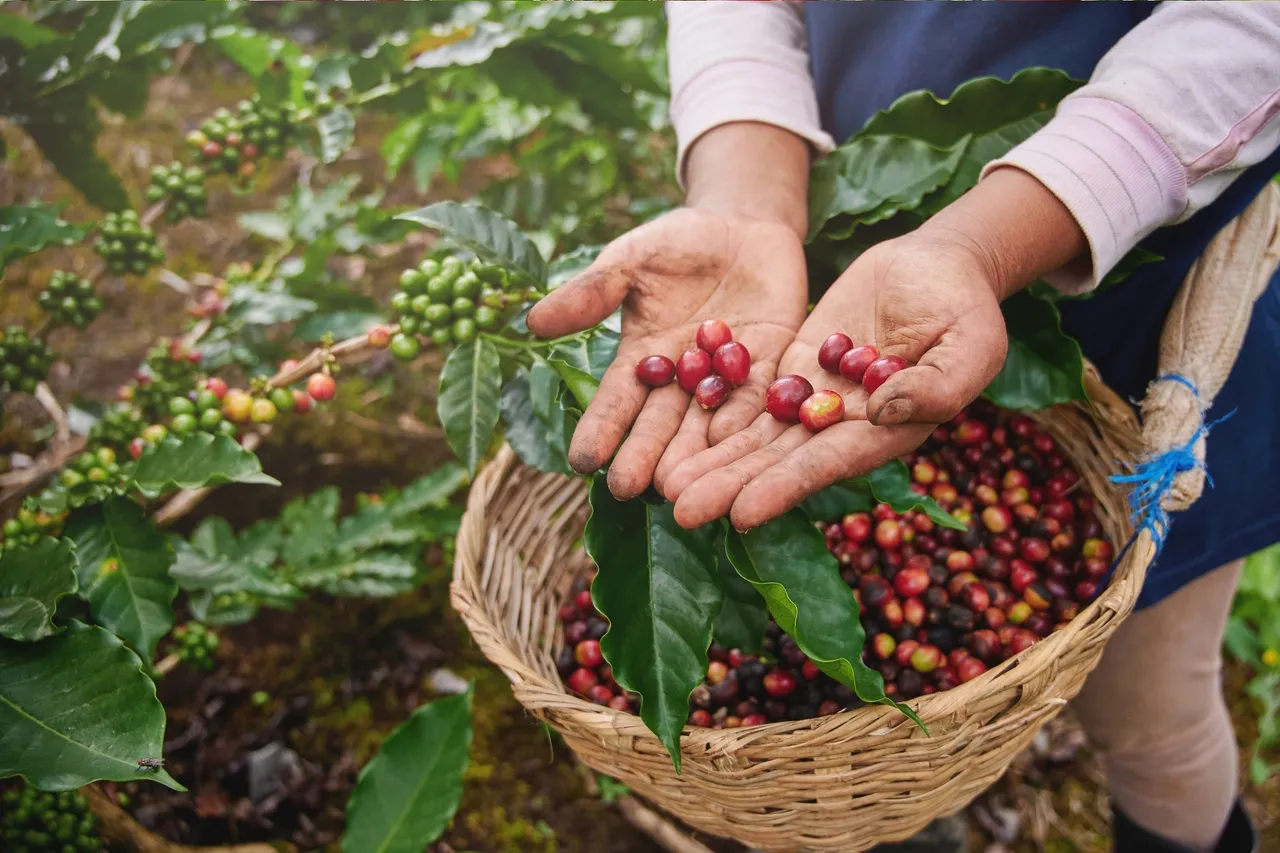
This reality is even more stark when we consider that producing countries like Colombia receive between 23% and 27% of the value generated by the entire coffee chain, but concentrate between 68% and 92% of the social and environmental costs.
What does this mean?
While coffee-growing families face climate volatility, invest in labor, care for the environment, and maintain centuries-old traditions, most of the value remains in the consuming countries.
Secret #2: Certification is a luxury many cannot afford
The Fairtrade seal, that little logo that makes us feel good as consumers, has a very high cost for small producers.
Certification can cost thousands of dollars annually.
For a family that produces 10 sacks of coffee a year, these costs represent a nearly insurmountable barrier. Imagine having to pay the equivalent of several months' income just to obtain a certification.
And when they finally achieve it, what is the prize?
A surcharge of just $0.03 per pound.
Three cents. That's the difference Fairtrade certification makes to the price the producer receives. To put it in perspective: they would need to sell more than 300 pounds of certified coffee just to recoup the cost of one day of certification.
Secret #3: The transition takes years without full income
Converting a conventional farm into a certified sustainable production facility is not like changing the channel on the television.
It requires between 2 and 3 years of transition, during which productivity does not reach normal levels.
During this period, a farm that produced 100 sacks of coffee may see its production reduced to 60 or 70 sacks, while labor and maintenance costs remain the same.
Who covers that difference?
The producing family. With their savings, with loans, with the hope that at the end of the tunnel there will be a market willing to pay better for their coffee.
Many families cannot afford this transition without going into deep debt. It's a luxury only a few can afford.
Secret #4: Only a fraction sells at a "fair" price
Here comes perhaps the cruelest secret of all:
Even if a producer obtains Fairtrade certification, they can only sell a small part of their production at that differentiated price.
In Colombia, fair trade coffee represents only 2.5% of total exports. This means that a certified coffee farmer sells most of their harvest at conventional prices, and only a tiny fraction receives the "fair trade premium."
It's like a chef getting gourmet certification for their restaurant, but only being able to sell 3 out of every 100 dishes at a premium price. The rest would have to be sold at the regular price.
This reality frustrates many producers who invested time, money, and effort in obtaining certifications that promised to change their lives.
Secret #5: Resources go to those who need them least.
The last secret is perhaps the most painful:
Certification organizations primarily work with large companies that were already selling coffee at good prices, diverting resources that should be allocated to the poorest and most vulnerable small coffee farmers.
It is easier to certify a large cooperative that handles thousands of sacks than to work with 50 families scattered in the mountains that produce 10 sacks each.
But guess who else needs the support?
Small, vulnerable families living in remote areas who have historically been marginalized from the formal coffee trade.
The result is a cruel paradox: fair trade ends up benefiting those who were already relatively well off, while further marginalizing those who need it most.
So what can we do?
These truths are not meant to discourage you or make you stop buying single-origin coffee.
On the contrary.
They want you to make more informed, more conscious, more direct decisions.
At AlmAméricas , we believe that true fair trade goes beyond labels and certifications. It's about building direct, transparent, and lasting relationships with producers.
It's not perfect. It's not simple. But it's honest.
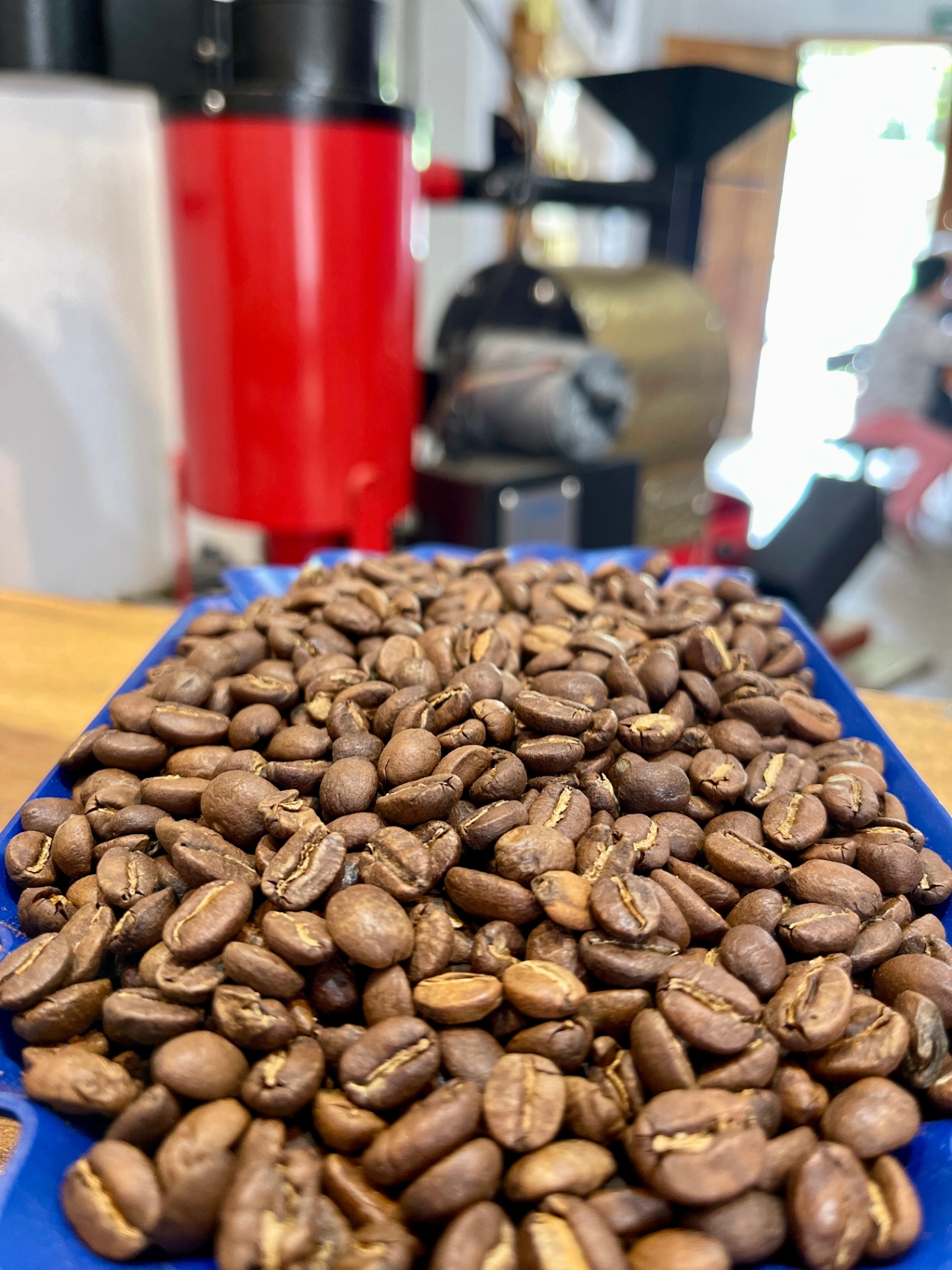
When you know the story behind each bag of coffee, when you know the name of the family that grew it, when you understand the challenges they faced to bring it to your table... that's where true fair trade begins.
Because in the end, justice isn't in a stamp.
It lies in the human relationships we build, bean by bean, story by story.
Bradley
Founder and CEO, AlmAméricas
Thank you for joining us on this journey toward transparency. Every conversation counts, every decision matters.